
Why Zoning Determines More About Behavioral Health Real Estate Than Operators Realize
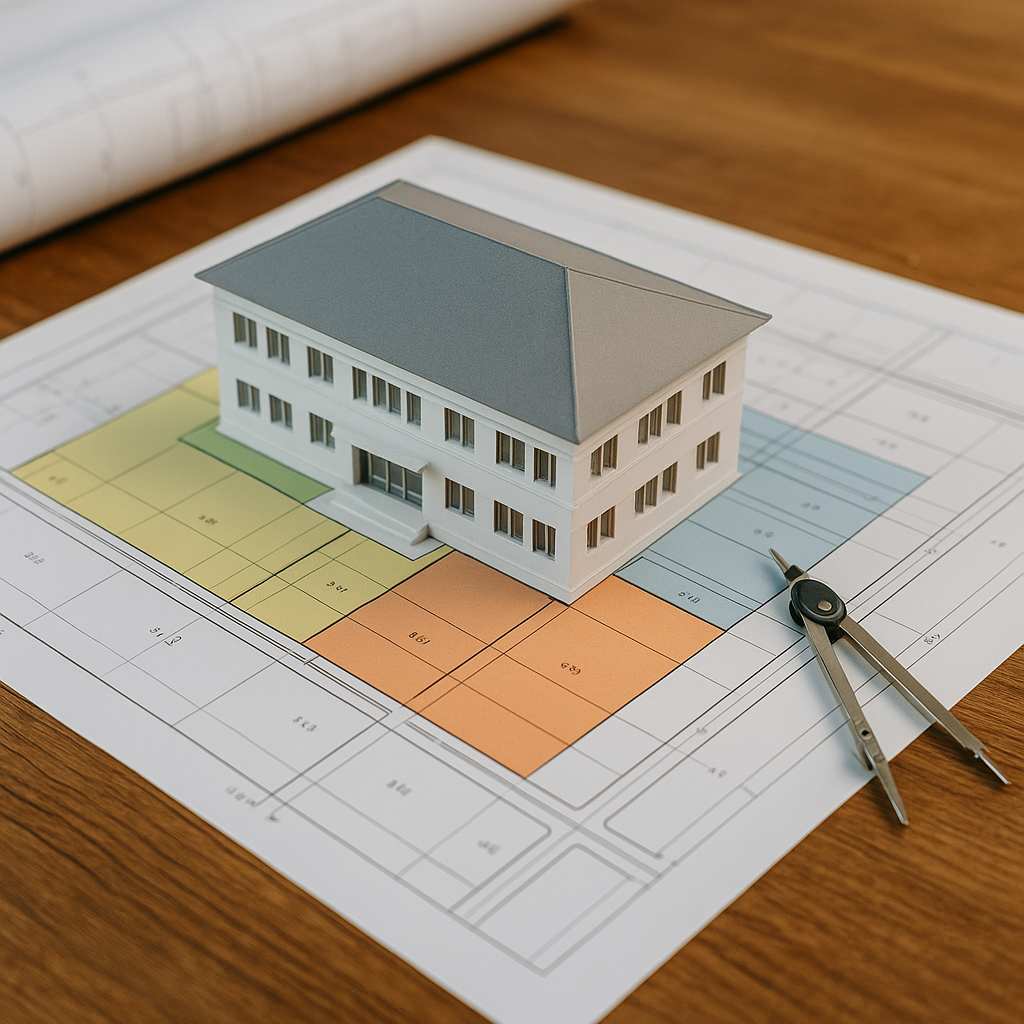
When most behavioral health operators evaluate a property, they focus on the building: the layout, the condition, the cost of renovation, and how quickly construction can begin. But long before design or construction takes shape, the real answer to whether a project is feasible often comes from something less visible: zoning.
Zoning dictates how land can be used, how buildings may be occupied, what approvals are required, and whether a behavioral health facility is allowed on a particular site. It is one of the most important pieces of early feasibility work, yet it is often underestimated or addressed too late in the process.
These are the zoning realities that decide whether a behavioral health project moves forward, stalls, or never begins at all.
1. Behavioral Health Often Falls Into Its Own Use Classification
Many operators assume behavioral health facilities fall into the same category as clinics, medical offices, or assisted living sites. In many jurisdictions, they do not. Behavioral health uses are frequently placed in their own category, which might be grouped with congregate living, residential care, institutional uses, or other special-purpose health services.
Each classification comes with its own set of rules. That includes where the use is allowed, how much parking is required, what occupancy limits apply, and what level of review the project must go through. A building can look ideal on paper, but a use classification issue alone can eliminate it from consideration.
2. Behavioral Health Often Requires Special or Conditional Use Approvals
Unlike general medical or office uses, behavioral health facilities often require a higher level of municipal review. This can involve special use permits, conditional use permits, planning commission approvals, city council votes, and community notification or hearing requirements.
These reviews are triggered for several reasons. Behavioral health facilities often operate around the clock, include residential components, require more staff, generate higher parking demand, and involve emergency or safety protocols. Municipalities want to understand these impacts before approving the use.
This is normal in many markets, but operators who are unfamiliar with zoning processes are often surprised by how long and detailed these reviews can be.
3. Parking, Traffic Flow, and Site Circulation Can Block a Project Early
Even if the use classification is appropriate, a site can still be ruled out because it cannot meet zoning requirements related to parking and circulation. Behavioral health facilities have unique patterns of activity based on staff shifts, admissions, and clinical operations. Municipalities consider these patterns when reviewing a site.
Common sticking points include parking ratios, shift change traffic, ambulance or emergency access, turning radii, and drop-off zones. These are not design issues. They are zoning issues, and they can prevent an otherwise suitable building from being approved.
4. Existing Buildings Are Not Automatically Cleared for Behavioral Health Use
It is a common misconception that a former assisted living building, school, or medical office is automatically eligible for a new behavioral health use. Zoning does not usually work that way.
A building may retain certain structural or life-safety grandfathering, but the use itself typically must meet today’s zoning standards. In many cases, behavioral health was never an allowed use on the site, or it requires a review process that did not apply to the previous occupant.
This is one of the most common points where deals fall apart after an LOI is signed.
5. Zoning Timelines Can Exceed Construction Timelines
Operators often assume that construction is the main source of delay. In reality, zoning can take longer than the renovation itself. Many zoning processes move on fixed municipal schedules rather than the pace of private development.
A use that is allowed by right may take only a few weeks to clarify. A use that requires administrative or planning review can take several weeks or months. Processes that involve public hearings or city council votes usually take longer, often three to six months or more. Missing a submission deadline can push a project to the next hearing cycle.
These delays can significantly affect the overall development timeline.
6. Zoning Shapes the Building Long Before Design Begins
Zoning influences more than whether a use is allowed. It also affects how a building can function. This includes occupancy limits, setbacks, fencing and screening requirements, signage rules, outdoor space requirements, emergency access, and the placement of parking.
A building may look perfect until these requirements are applied. Then operators discover that key elements of their program cannot be achieved within the zoning constraints of the site.
This is why zoning is a foundational input to the design process rather than a separate administrative step.
7. Successful Projects Bring Zoning, Real Estate, and Operations Together Early
Zoning is not an isolated technical requirement. It shapes site selection, underwriting, timeline development, community engagement, and even operational planning. Projects that bring zoning experts, real estate teams, and operators together early tend to avoid the surprises that slow down or derail behavioral health developments.
Evaluating zoning first provides a clearer picture of what is possible, what might require additional approvals, and what could pose long-term challenges.
The Bottom Line
Zoning plays a much larger role in behavioral health development than most operators realize. It influences whether a project can proceed, how long approvals will take, how the site must function, and what limitations the design team will face.
A building can look perfect, but if zoning does not support the intended use, the project will not move forward. Understanding zoning early is not simply a due diligence task. It is one of the most effective ways to reduce risk and gain clarity at the start of a behavioral health real estate project.