matthewallendouglas4@gmail.com | 65 Blog(s)

What Makes a Healthcare Building Age Well
February 19, 2026

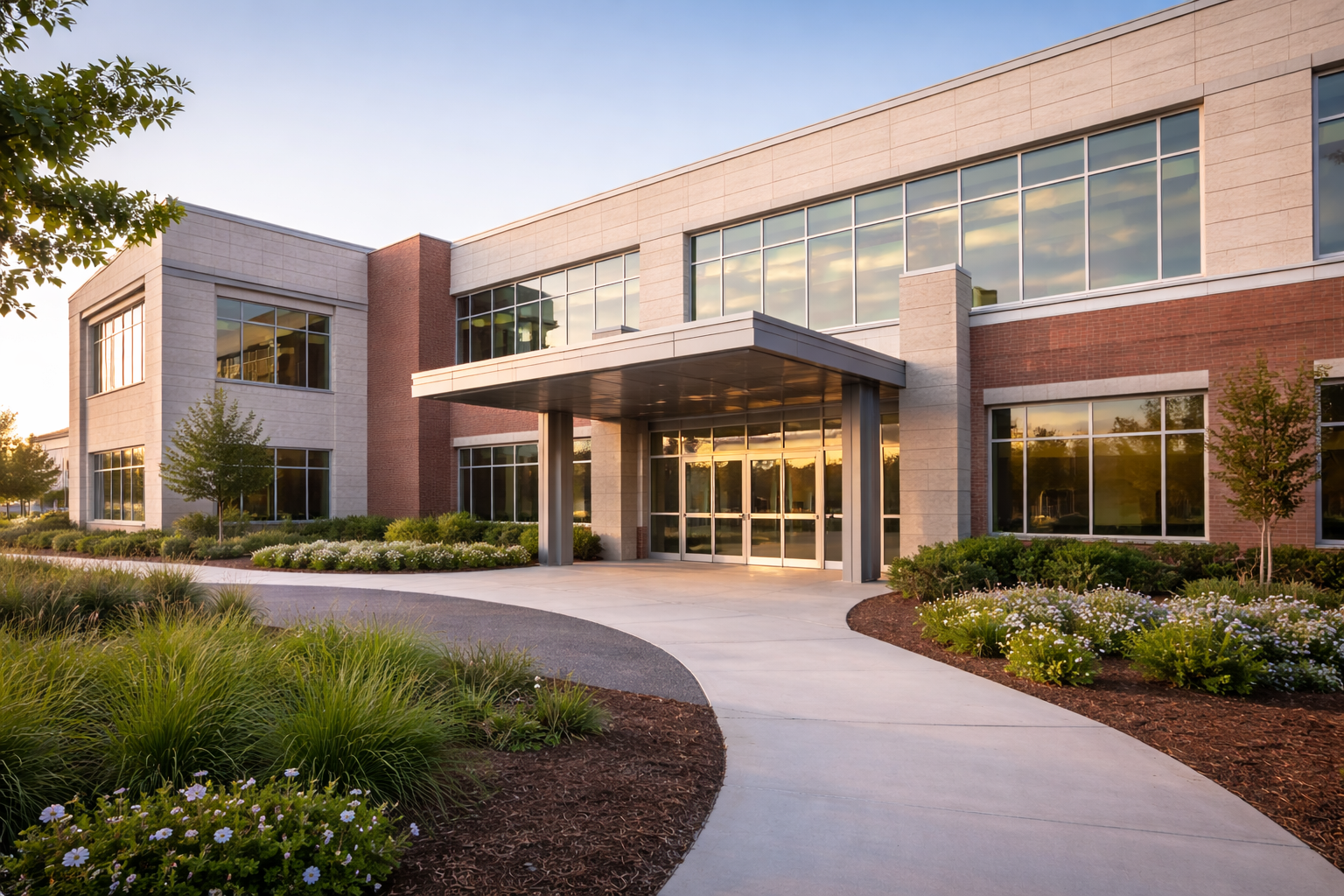
Healthcare facilities are built to serve communities for decades. Yet some buildings still function efficiently twenty years later, while others begin to feel strained within five. The difference is rarely cosmetic. It is structural, mechanical, and strategic. A healthcare building that ages well is one that was designed with flexibility,

The Difference Between a Code-Compliant Building and a Clinically Usable One

February 17, 2026

In healthcare construction, achieving code compliance is a major milestone. Plans are reviewed. Inspections are passed. Systems are approved. The building meets the requirements necessary to open its doors. But compliance does not automatically translate to usability. A healthcare building can fully satisfy regulatory standards and still struggle to support

Adaptive Reuse Is No Longer a Budget Play. It Is a Speed Strategy.

February 13, 2026

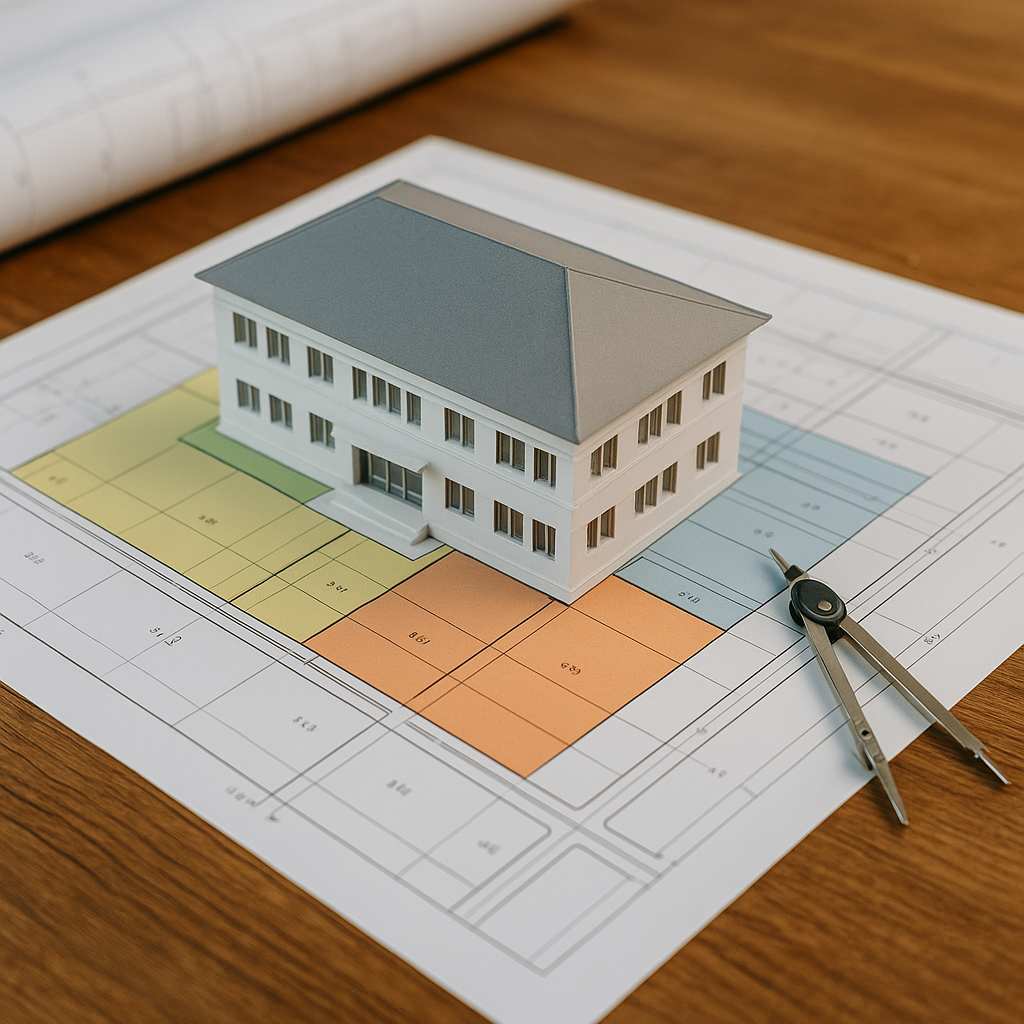
For years, adaptive reuse in healthcare real estate was framed primarily as a cost decision. Operators repurposed former offices, retail buildings, or light industrial space to reduce upfront capital compared to ground-up construction. That framing is outdated. Today, adaptive reuse is increasingly about speed to market. Speed Is Becoming a

Why Healthcare Construction Schedules Often Need to Be Built Backwards

February 4, 2026

Healthcare construction schedules are usually presented as linear documents. Start here. Finish there. A clean sequence of tasks that moves neatly from mobilization to turnover. In practice, many healthcare projects benefit from being scheduled in the opposite direction. Not because forward planning is wrong, but because the realities of healthcare

Groundhog Day in Healthcare Construction

February 2, 2026

In healthcare construction, many projects feel familiar in ways they should not. Different owners. Different markets. Different buildings. Yet the same problems appear again and again. Late-stage rework. Overlapping trades. Damaged finishes. Compressed close-out periods. A scramble to resolve issues that were predictable months earlier. It can feel like reliving