
Transforming Commercial Spaces into Healthcare Sites
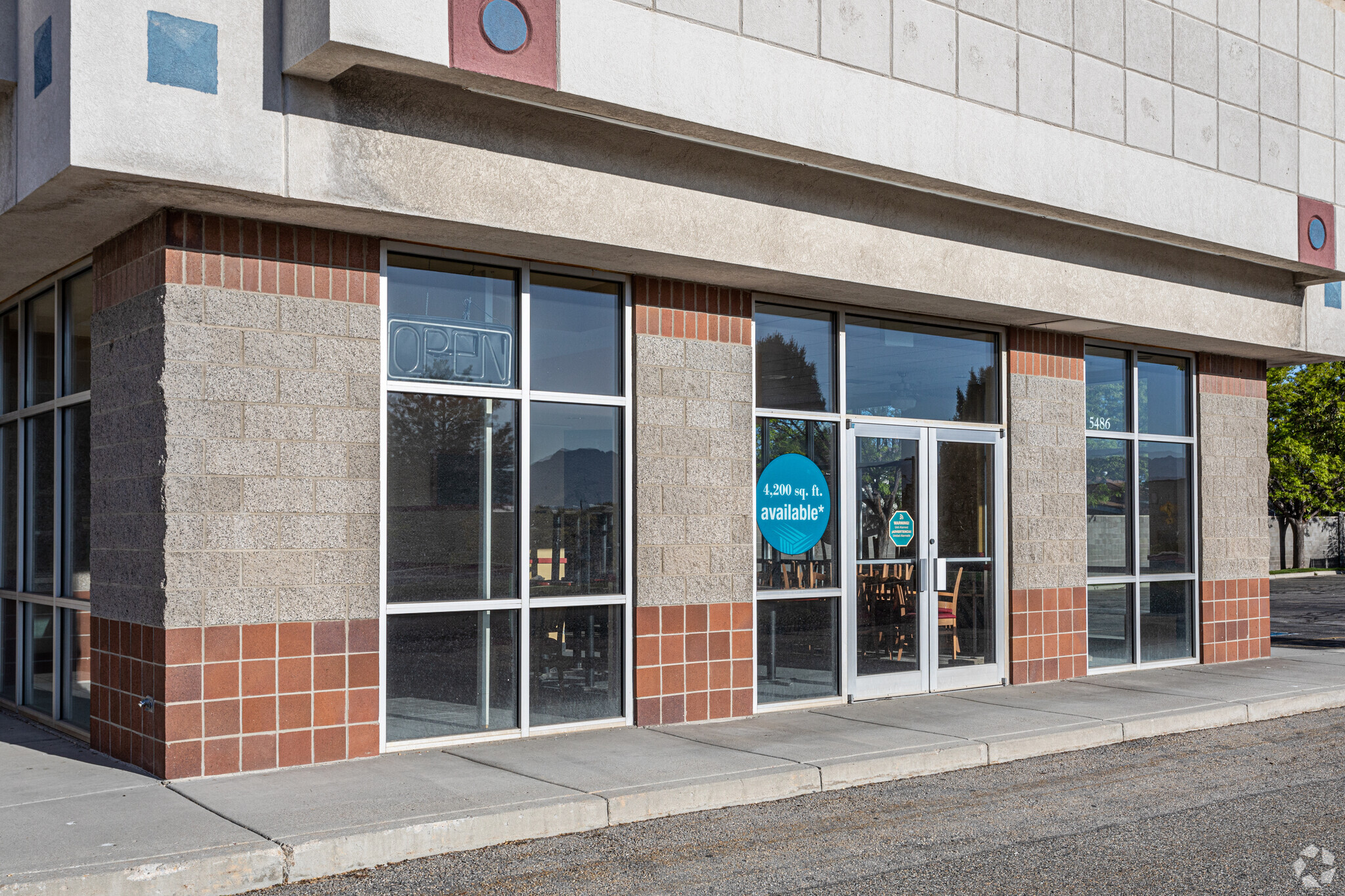

We recognize the evolving dynamics of commercial real estate and the increasing demand for accessible healthcare services. Repurposing retail and office spaces into healthcare facilities presents a strategic opportunity to meet these needs.
1. Strategic Alignment of Real Estate and Healthcare
Retail and office properties often boast prime locations, ample parking, and established infrastructure—attributes that align seamlessly with healthcare requirements. Transforming these spaces into medical facilities enhances community access to care.
2. Adaptive Reuse: From Retail to Medical Facilities
The trend extends beyond standalone clinics. Shopping malls are being reimagined as multi-specialty healthcare hubs, and office buildings are converting into medical office spaces supporting both in-person and telehealth services. For example, Hartford HealthCare has successfully repurposed various properties, including a former Blockbuster store and a vacant Bed Bath & Beyond, into thriving healthcare centers.
3. Responding to Consumer Expectations
Patients increasingly seek healthcare services that are as accessible as their daily conveniences. Locating medical facilities in familiar commercial areas meets this demand, providing care closer to where people live and work.
4. Addressing Post-Pandemic Realities
The shift to hybrid work models has left many office buildings underutilized, while changes in shopping habits have increased retail vacancies. Converting these spaces into healthcare facilities offers a practical solution to revitalize these properties.
5. Supporting the Growth of Outpatient Care
The healthcare industry is moving away from hospital-centric models toward outpatient services. This shift necessitates flexible spaces that can accommodate medical technologies and patient-centric designs.
6. Cost-Effective Development
Retrofitting existing structures is often more cost-effective than new construction. For instance, converting a former Crate & Barrel store into a 34,000-square-foot ambulatory care center demonstrates the financial viability of such projects.
7. Enhancing Community Value
Repurposing commercial spaces for healthcare use not only improves access to care but also revitalizes underperforming assets, increases property values, and stimulates local economies through job creation.
8. Navigating Zoning and Compliance
Adapting properties for healthcare use requires careful attention to zoning laws and compliance with healthcare-specific building codes, including HVAC standards and patient safety requirements.
9. Upgrading Infrastructure
Healthcare facilities demand specialized infrastructure for medical equipment, waste disposal, and patient privacy. Building owners and developers must account for these requirements during the conversion process.
10. Engaging with the Community
Collaborating with local communities ensures that new healthcare facilities meet the needs of the surrounding population and address potential concerns related to traffic, noise, or other impacts.
We are committed to guiding our clients through the process of transforming commercial spaces into state-of-the-art healthcare facilities, delivering value to providers, property owners, and communities alike.
