
How Healthcare is Breathing New Life into Vacant Retail and Office Spaces
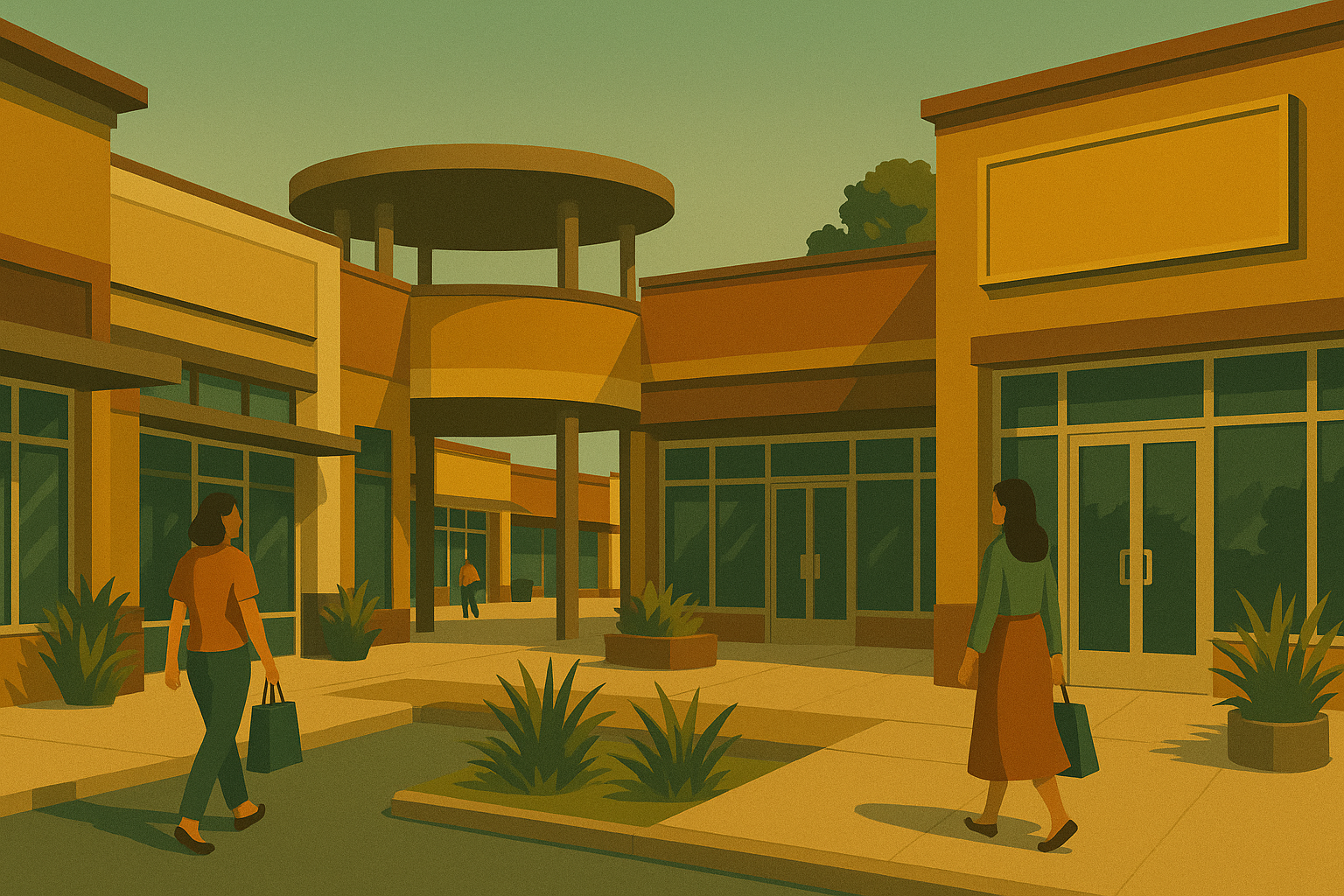
The commercial real estate market keeps changing—faster than ever, really—thanks to shifting consumer habits, new technology, and the lingering effects of the pandemic. One of the most interesting developments to come out of that change is the growing trend of converting retail and office buildings into healthcare facilities.
It’s a strategy that solves problems on both sides: helping property owners find new value in underused buildings while giving healthcare providers accessible, high-visibility locations that bring care closer to where people live and work.
Why Healthcare Fits So Well in Repurposed Spaces
Retail and office buildings already check many of the boxes healthcare providers look for: strong infrastructure, convenient parking, and central locations with built-in visibility. For patients, these same qualities translate into easier access to care.
What started as a few isolated examples has turned into a national shift. Malls are becoming multi-specialty healthcare hubs, and outdated office buildings are finding second lives as modern medical campuses. Hartford HealthCare, for example, has transformed everything from a former Blockbuster and Bed Bath & Beyond to an old funeral home into thriving healthcare centers.
The Forces Driving This Shift
-
Changing expectations: Patients now expect healthcare to be as convenient as grocery pickup or online shopping. Locating services in community and retail corridors helps meet that demand.
-
Post-pandemic realities: With remote and hybrid work reducing office demand—and e-commerce reshaping retail—many buildings are sitting empty. Healthcare conversions provide a sustainable solution for both challenges.
-
Growth in outpatient care: Hospitals are shifting away from large inpatient footprints toward outpatient and specialty care. That model depends on flexible, right-sized spaces that can adapt quickly.
-
Cost efficiency: Retrofitting an existing structure is often faster and less expensive than ground-up construction. A recent example: converting a former Crate & Barrel into a 34,000-square-foot ambulatory care center.
The Community and Economic Impact
Repurposing retail and office properties for healthcare use benefits nearly everyone involved. Providers gain speed to market and lower capital costs. Property owners gain stable, long-term tenants that increase occupancy and asset value. And communities see new investment, new jobs, and renewed life in once-vacant spaces.
Beyond the economics, these projects make healthcare more approachable. Instead of driving to a hospital campus, people can stop by a clinic that’s part of their daily routine—right next to the grocery store or coffee shop.
As Colliers’ National Director of Retail Services, Anjee Solanki, put it:
“Repurposing retail and office spaces for healthcare is more than a trend; it’s a strategic evolution that meets the growing demand for accessible, convenient, and innovative care. By transforming underutilized properties into healthcare hubs, we unlock value for providers, property owners, and communities alike.”
What It Takes to Do It Right
Of course, not every conversion is straightforward. Success depends on careful planning and collaboration.
-
Zoning and compliance: Most projects require new zoning or code adjustments to meet healthcare standards for safety, HVAC, and building systems.
-
Infrastructure upgrades: Plumbing, electrical, and waste management systems often need upgrades for medical use. Tenants may also take on part of these improvement costs.
-
Community engagement: Working with city leaders and residents early on helps align the project with local needs and ensures community support.
A Long-Term Opportunity
Turning retail and office spaces into healthcare facilities isn’t a short-term response to a soft real estate market—it’s a long-term evolution of how and where care is delivered. As providers continue to prioritize convenience and access, these adaptive reuse projects will keep reshaping both industries for years to come.
