
Balancing Mission and Margin in Behavioral Health Development
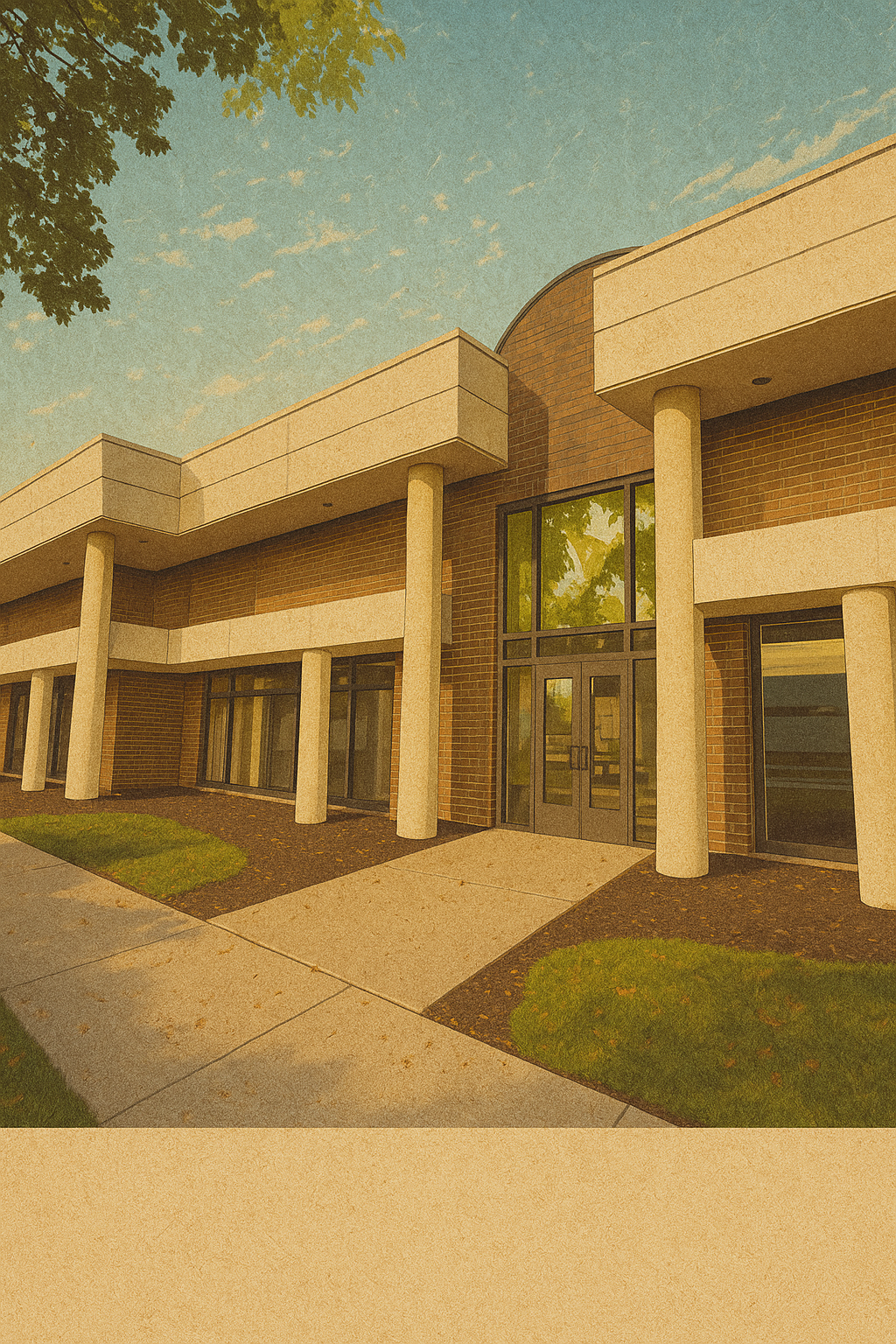

Driven by rising awareness of mental health, evolving insurance coverage, and increasing governmental support, the financial outlook for rehab centers is stronger than ever. Demand alone, however, doesn’t guarantee success. Profitability in this sector requires strategic financial planning, precise operational management, and a deep understanding of the unique cost structures in behavioral health real estate and operations. Our approach ensures every project is not only built for clinical excellence but also for financial sustainability.
Assessing Profitability
The profitability of a recovery center depends on its model, market conditions, and operational performance. We help our partners assess these factors early, evaluating location, level of care, and service specialization to align with market demand. Successful centers often diversify revenue across residential treatment, outpatient services, and family programs, while building strong referral networks and investing in brand reputation. By integrating financial modeling with our development expertise, We ensure our clients create facilities that deliver measurable outcomes and achieve long-term viability.
Assessing Start-Up Costs
Every profitable rehab center begins with an accurate breakdown of start-up costs. We map these expenses from day one, covering site acquisition, licensing, staff recruitment, equipment, technology, and any required renovations to meet safety and compliance standards. We also advise on capital structure, connecting clients with financing options such as loans, grants, and equity partners. This ensures our developments are fully funded with a financial buffer to cover early-stage operations until the center reaches profitability.
Budgeting for Operational Expenses
Once operational, rehab centers face significant recurring costs, from payroll and insurance to utilities, facility maintenance, and medical supplies. Payroll alone can be substantial, as quality care requires skilled clinical teams. We help model these expenses into the project’s long-term budget, incorporating allowances for staff training, facility upgrades, and technology integration, ensuring compliance and care quality remain uncompromised.
Revenue Streams
A strong revenue strategy is critical. While insurance reimbursements remain a cornerstone, they require expertise in billing and coding to manage cash flow effectively. We work with operators to identify supplementary income opportunities such as outpatient programs, wellness services, and alumni engagement initiatives. These additions enhance patient outcomes while generating predictable revenue that supports the broader mission.
Balancing Care Quality with Cost Efficiency
In behavioral health, financial efficiency can never come at the expense of care quality. We guide our clients toward strategies that control costs without reducing impact, group therapy models, telehealth integration, and community partnerships that extend post-treatment support. By leveraging operational design and technology, facilities can serve more patients effectively while keeping overhead in check.
Pricing Strategy and Market Positioning
Pricing must balance accessibility with financial performance. We analyze market demographics, payer mix, and competitive positioning to set pricing tiers that appeal to multiple income levels while supporting revenue goals. We also help facilities stand out through niche programs, such as holistic therapies or specialized populations, that command market attention and drive consistent demand.
Navigating Regulatory and Compliance Costs
Compliance is built into our development process from day one. We budget for all state, federal, and accreditation requirements, whether it’s HIPAA infrastructure, safety audits, or licensure inspections. Accreditation from organizations like CARF or The Joint Commission not only builds credibility but can also expand insurance reimbursement opportunities. We view these investments as essential to both operational stability and market positioning.
The most successful recovery centers are built on a foundation of both clinical excellence and financial strength. By aligning cost planning, revenue strategy, and regulatory readiness with high-quality care delivery, we create facilities that are not only profitable but transformative for the communities they serve.
