
Converting Senior Living Facilities into Behavioral Health Treatment Centers
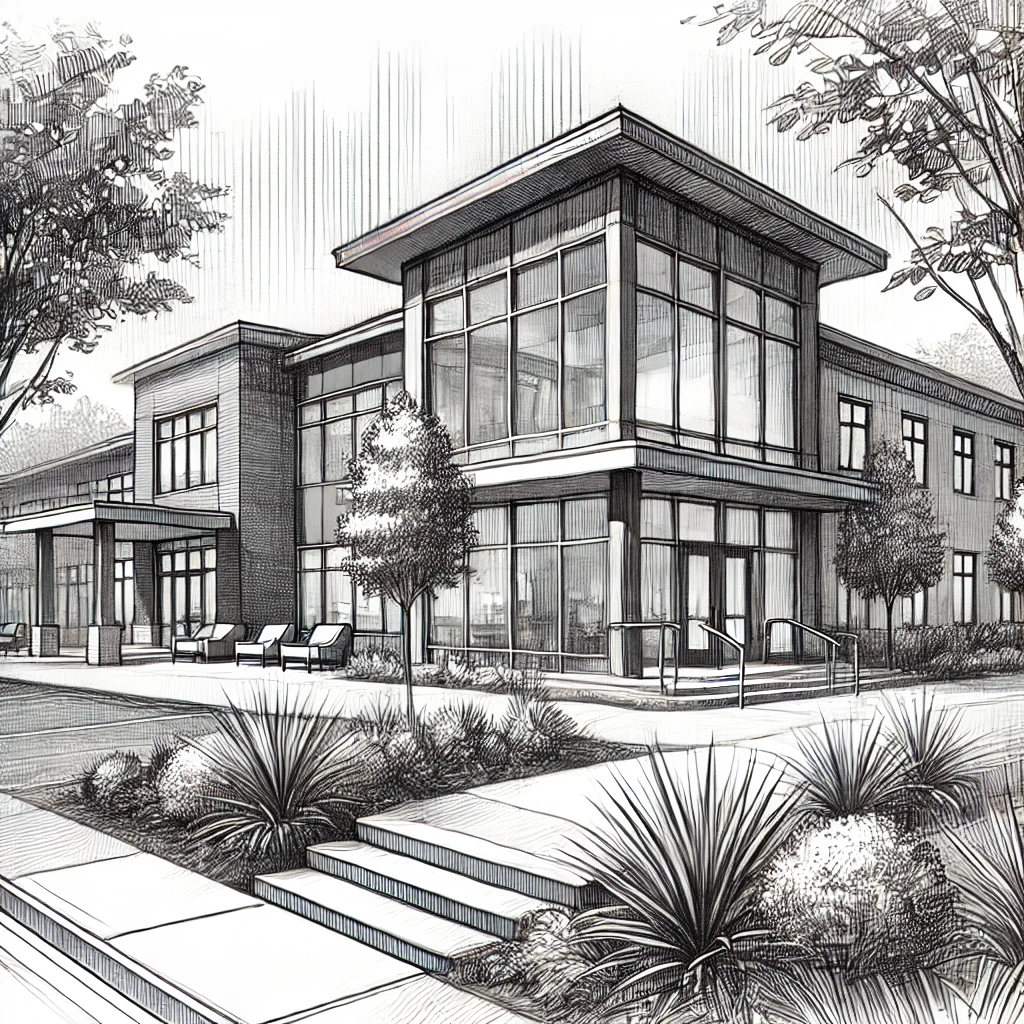

Adaptive reuse projects are an innovative approach to real estate development, especially in the healthcare sector. We specialize in converting former senior living facilities into state-of-the-art behavioral health treatment centers. This strategy leverages existing structures, revitalizing them to meet the specific needs of behavioral health operators. Here’s a deeper dive into the benefits and processes behind these adaptive reuse projects:
Sustainability and Cost Efficiency
One of the primary advantages of adaptive reuse is sustainability. Repurposing existing buildings reduces the need for new construction materials and minimizes waste. This approach is environmentally friendly, supporting a reduction in the carbon footprint associated with demolition and new builds. It also cuts down on costs rehabilitating an existing structure is often more economical than starting from scratch, allowing developers to invest more in enhancing the facility’s function and aesthetics rather than in the basic structure.
Faster Time to Market
Adaptive reuse projects can often be completed faster than new construction. The core infrastructure such as plumbing, electrical, and the building envelope is already in place, significantly reducing the time required for project completion. This speed can be critical for behavioral health operators looking to expand quickly in response to growing community needs or to capitalize on market opportunities.
Strategic Location Utilization
Former senior living facilities are often located in strategic areas, such as residential neighborhoods or near other healthcare services, making them ideal for behavioral health treatment centers. These locations tend to be accessible and familiar to potential patients, reducing barriers to care. By repurposing these buildings, we preserve their community-centric locations, which can significantly enhance the visibility and accessibility of behavioral health services.
Design Adaptability
While senior living facilities and behavioral health centers serve different populations, they share common design elements such as private rooms, communal spaces, and accessibility features. These existing layouts can be adapted to meet the specific requirements of a behavioral health setting, such as incorporating therapy rooms, secure patient areas, or specialized medical spaces. The adaptability of these buildings provides a strong foundation for creating a therapeutic environment that supports recovery and wellness.
Community Impact and Revitalization
Adaptive reuse projects breathe new life into older or underutilized buildings, contributing to community revitalization. By transforming a former senior living facility into a behavioral health center, we create a dual impact: preserving local history and architecture while addressing a critical need for mental health services. This approach not only enhances the building’s value but also fosters goodwill within the community by maintaining its character and purpose.
Financial and Market Advantages
Adaptive reuse can offer significant financial advantages. For example, these projects may qualify for various grants, tax incentives, or subsidies designed to encourage sustainable development or the repurposing of existing buildings. Additionally, from a market perspective, the transformation of these facilities into behavioral health centers aligns with the growing demand for mental health services, creating new revenue opportunities and meeting a vital public need.
Challenges and Considerations
Of course, adaptive reuse is not without its challenges. Developers must carefully assess the condition of the existing structure, address any regulatory or zoning issues, and ensure the building meets current healthcare standards. The planning and design phases require close collaboration with architects, contractors, and healthcare providers to ensure that the finished facility not only complies with all regulations but also supports optimal patient care.
We believe that adaptive reuse represents the future of real estate development in healthcare. It aligns with sustainable development goals, supports cost-efficient expansion, and meets the growing demand for behavioral health services. By transforming former senior living facilities into behavioral health centers, we provide a unique solution that benefits developers, operators, patients, and the communities they serve.
Connect with us to learn more about our innovative approaches in healthcare real estate development and how we’re making a difference in communities across the country. Let’s connect to explore how adaptive reuse can serve your organization’s expansion needs!
