
Unmasking the Self: What Halloween Teaches Us About Fear, Identity, and the Shadows of Care
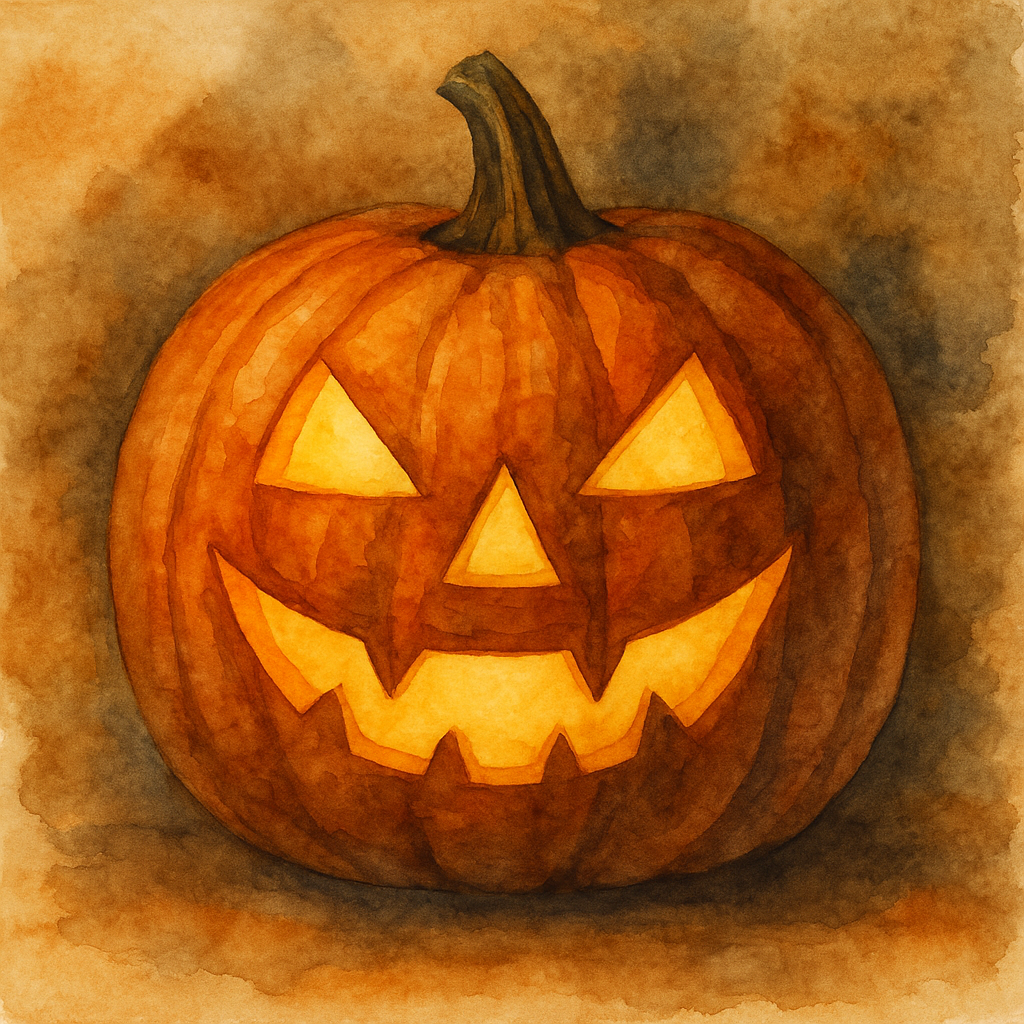
Every October, we celebrate a holiday seemingly built on masks and costumes. We become monsters, heroes, ghosts, and creatures of all kinds of creative imaginations.
But beneath all the costumes is something deeply human – our fascination with fear, transformation, and the parts of ourselves we rarely show.
In behavioral health, we work with masks every day.
“We all wear masks…metaphorically speaking.” – The Mask (1994)
Clients wear them to survive.
Staff wear them to stay composed.
Leaders wear them to project stability.
Halloween just allows for the metaphor to become visible.
Obviously the holiday is about having fun, but it also invites us to pause and look beneath the surface: at what fear reveals, what empathy costs, and what authenticity demands.
The Masks We Wear
Costumes give people permission to experiment with identity. The shy becomes bold, the serious become silly, and everyone gets a temporary break from who they “have” to be. Humans do the same thing emotionally. Trauma survivors often create adaptive “masks” – the caretaker, the perfectionist, the comedian – to feel safe. Those masks protect, but they also isolate.
Professionals do it too. Clinicians hide exhaustion behind professionalism. Leaders hide uncertainty behind confidence. The workplace becomes a masquerade of good intentions where everyone performs wellness while quietly fraying.
True integrity, clinical or organizational, begins when we ask: Who are we when the mask comes off?
Haunted by the Past
You can’t think Halloween without thinking of ghosts… whether you’re dressing up as one or they are simply a marshmallow in your favorite kid’s cereal. In real life, ghosts look more like memories that linger in systems, teams, and relationships. Unresolved trauma doesn’t stay buried. It echoes in how people relate, respond, and retreat. A client’s irritability might be a sign of powerlessness. A staff member’s defensiveness might trace back to a moral injury.
Organizations have ghosts too – unprocessed grief, turnover, or leadership wounds that keep replaying through culture and policy.
You can’t heal what you refuse to name. Growth, whether personal or systemic, starts with remembrance and repair.
The Fear Response
Long before Halloween, fear kept humans alive. The amygdala fires, cortisol surges, and the body prepares to fight, flee, or freeze. In modern workplaces, the threats are psychological. Fear of failure or exposure can activate the same circuits as physical danger. Over time, chronic stress reshapes both the brain and the culture. Leaders who understand this know that safety isn’t a luxury. It’s neurological hygiene. Calm brains think clearly. Regulated teams innovate.
The Monsters We Create
Every horror story has a creator. In our field, that monster is often compassion fatigue. Clinicians enter the work full of empathy, but empathy without boundaries turns into exhaustion. When organizations praise selflessness but neglect self-care, they create burnout disguised as commitment.
Compassion must be sustainable.
Rest and reflection aren’t rewards; they’re requirements.
When Boundaries Go Bump in the Night
Few things are scarier than blurred boundaries.
In therapy, they weaken trust. In leadership, they distort accountability.
Boundaries aren’t barriers; they’re structure. They create the safety that allows empathy to thrive. Healthy systems don’t fear limits – they depend on them.
Facing the Shadow
Carl Jung called it the “shadow”, which is the part of ourselves that we often hide or deny. Celebrating Halloween can give us opportunities that puts that shadow on display. Clinicians meet it in countertransference. Leaders encounter it in ego, control, or avoidance. Pretending the shadow isn’t there doesn’t erase it. It only makes it stronger. Self-awareness and honest introspection is the antidote.
Unmasking as a Practice
Halloween gives us permission to pretend. In behavioral health, the real work is learning how and when to take the mask off. When that kind of honesty becomes culture, clinical integrity stops being just another buzzword and starts being a lived experience.