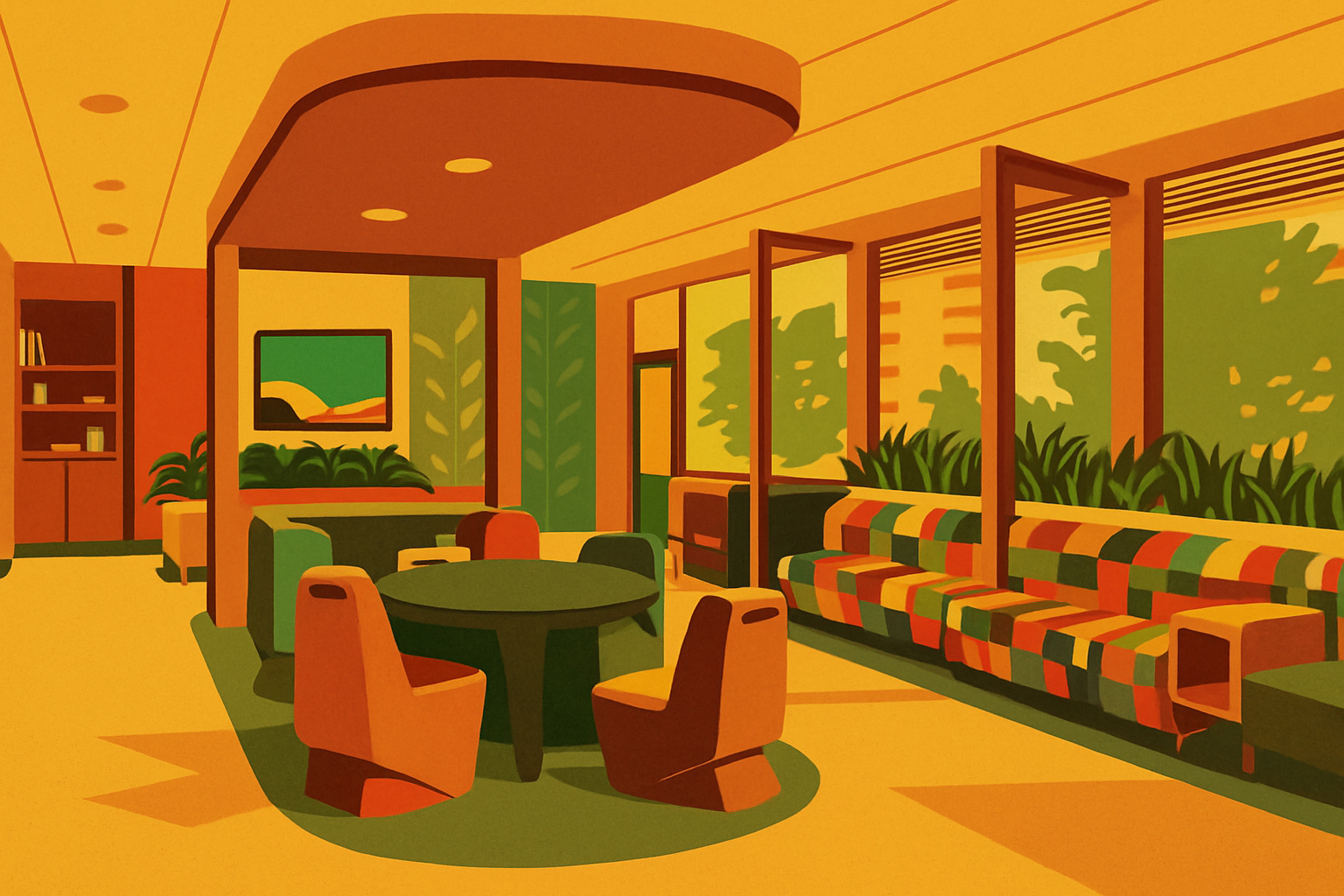

Behavioral health facility design has evolved dramatically in the past decade, shifting away from sterile, impersonal environments toward spaces that are warm, welcoming, and, in many cases, exceptionally beautiful. At ZLD Partners, we’re committed to working with caregivers and communities to create safe, efficient, and aesthetically pleasing facilities that support the well-being of patients and staff alike.
Through purposeful design choices such as comfortable seating, modular furnishings, soothing artwork, ample natural light, and innovative technology. We help transform behavioral health environments to increase patient comfort, promote healing, and improve treatment outcomes.
Humanizing Behavioral Health Facilities
Behavioral health facility design must comply with rigorous federal and state regulations while also meeting specific safety and security needs. Just as important, these spaces must support the emotional needs of patients and staff, blending security with compassion.
Designing for behavioral health means creating environments that reduce stress and support healing. Whether it’s the layout of private and shared rooms, inviting common areas, or calming artwork, these features can help reduce incidents linked to anxiety and improve focus, mood, and treatment progress.
Some of the key design strategies we incorporate include:
- Open Floor Plans: Enhancing visibility for staff while creating a sense of spaciousness for patients by eliminating hidden corners.
- Exposure to Daylight and Nature: Integrating natural light, plants, and flexible outdoor furniture to increase feelings of independence and calm.
- Adaptable Private and Shared Spaces: Offering a mix of room options to cater to patients’ varying privacy needs.
- Calming Artwork: Using images of nature and soft colors to promote tranquility, while also giving patients the ability to personalize their spaces.
- Thoughtful Textures and Finishes: Balancing dynamic visual interest with a sense of order to provide long-term comfort.
- Enhanced Acoustics: Soft furnishings and artwork that absorb noise, fostering a more intimate and comfortable environment.
- Innovative Lighting: Leveraging natural light or high-quality artificial lighting to boost mood and mental health.
- Physical Safety: Designing environments that minimize risks, such as eliminating sharp edges and self-harm hazards.
By empowering patients with control over how they use spaces, we aim to reduce anxiety and foster positive interactions with staff and visitors.
Adaptable Design for Changing Needs
Behavioral health facilities must adapt to meet a wide range of patient needs and treatment models. Modular furnishings and flexible room configurations are key to this adaptability.
Some best practices we recommend:
- Community Area Flexibility: Sectional couches and moveable armchairs that can be reconfigured to match patients’ needs.
- Multifunctional Furniture: Modular desks and tables that seamlessly transition between therapy activities.
- Space Division: Moveable dividers that can split or join spaces as needed.
Adaptable design not only ensures privacy and flexibility, it empowers patients to make choices that support their individual treatment journeys.
Partnering for Better Outcomes
Even small design changes can significantly improve treatment outcomes and staff experiences, often with minimal interruption and cost. Working with an experienced architectural design team ensures that every design choice aligns with the needs of patients, staff, and the broader community, creating environments where everyone feels safe, supported, and empowered to heal.
If you are ready to upgrade your behavioral health facility, let’s talk!
